Coaching Deliberately: Transforming the Coaching Relationship with CDT
Coaching that targets construction, not just behaviour. This book shows how CDT and Real-Time Modelling reveal the patterns behind choices—so clients gain deliberate flexibility in the moment.
1. Socratic Principle: Self-Questioning as Foundation
Socrates didn’t teach answers: he taught inquiry. The Socratic method is a relentless questioning that peels back layers of assumption. For the Deliberate Coach, this becomes a commitment not just to help clients reflect, but to constantly interrogate one’s own: Why do I coach this way? What assumptions do I bring into the coaching space? Where is my ‘ego’ subtly involved in client outcomes? Am I modelling the very awareness I hope to cultivate in others? The unexamined coach risks becoming a motivational speaker with a feedback loop – encouraging change in others without changing themselves.
2. Coaching Without Awareness is Sophistry
Socrates detested the sophists – those who sold the appearance of wisdom without its substance. A coach who parrots techniques, clings to models (like GROW or MBTI) without ever questioning their fit, risks being a sophist in coach’s clothing. The Socratic coach is humble, curious, and present – never assuming mastery, only movement.
3. The Deliberate Coach as Midwife of Awareness
Socrates referred to himself as a midwife of ideas – he didn’t implant wisdom in others: he drew it out. In CDT terms, this is the movement from Intention to Awareness to Choice to Response – not giving answers but creating the conditions in which clients construct their own selves. In that same spirit, the examined (Deliberate) coach asks: Am I coaching this person, or my idea of them? Am I reacting from habit or responding with intention? Have I examined the construction of my coaching identity?
4. Vertical Development: The Modern Dialectic
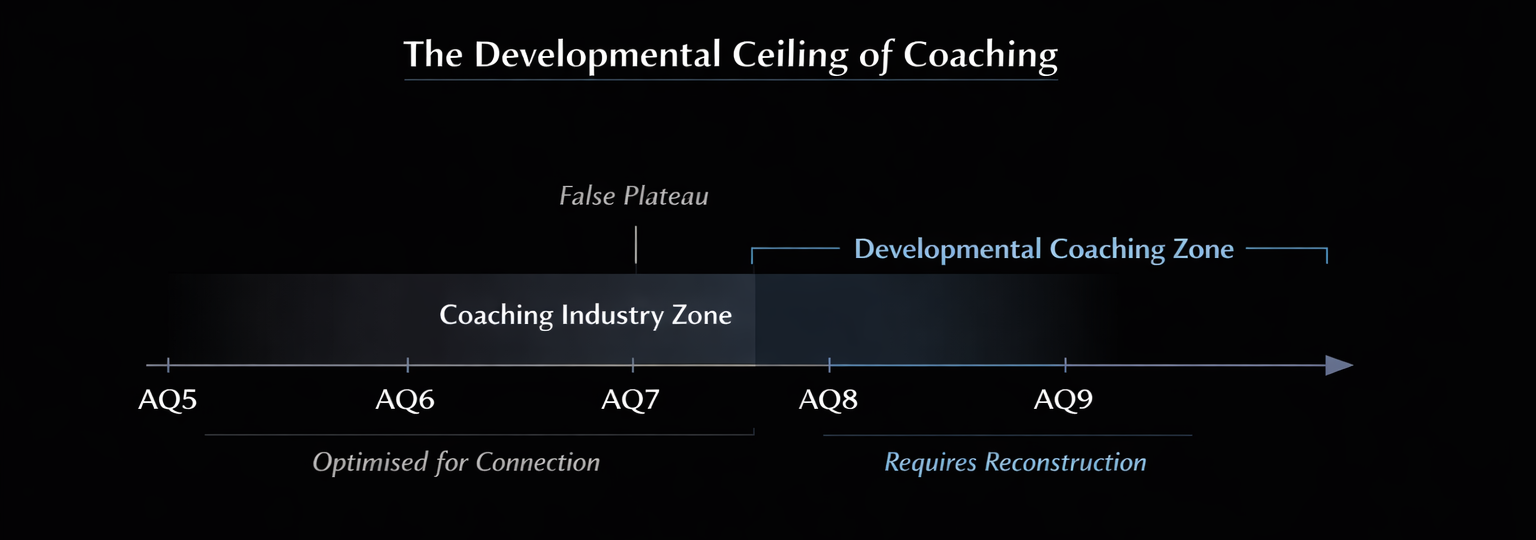
Socrates used dialectic to lift people from assumption to awareness. CDT uses Dynamic Intelligence to do the same – moving people vertically through cognitive complexity. A coach who fails to examine their own level of Awareness Quotient (AQ) cannot see beyond the client’s current stage. The examined coach is not defined by technique but by cognitive fluidity: their ability to hold multiple perspectives, see the client as a system and self, and suspend judgment in service of deeper inquiry.
5. The Ethical Demand of Coaching
Socrates was sentenced to death for “corrupting the youth” – not because he did harm, but because he challenged comfort. Likewise, the examined (Deliberate) life-coach is not always comforting. They are ethical, not agreeable. They disturb certainty when certainty is the client’s cage. Their unconscious Thinking Style. Ask: Am I enabling the client’s current level of thinking? Have I confused support with collusion?
Final Thought:
The unexamined life-coach might still perceive themselves to be successful, but they are not transformational. They might help clients set goals, change habits, or feel better – but without examining how they construct their thinking in the moment, neither coach nor client evolves. To Coach Deliberately, then, is to live Socratically: to question, to disturb, and to construct self and other – moment by moment – with awareness.
Jeff - Northampton
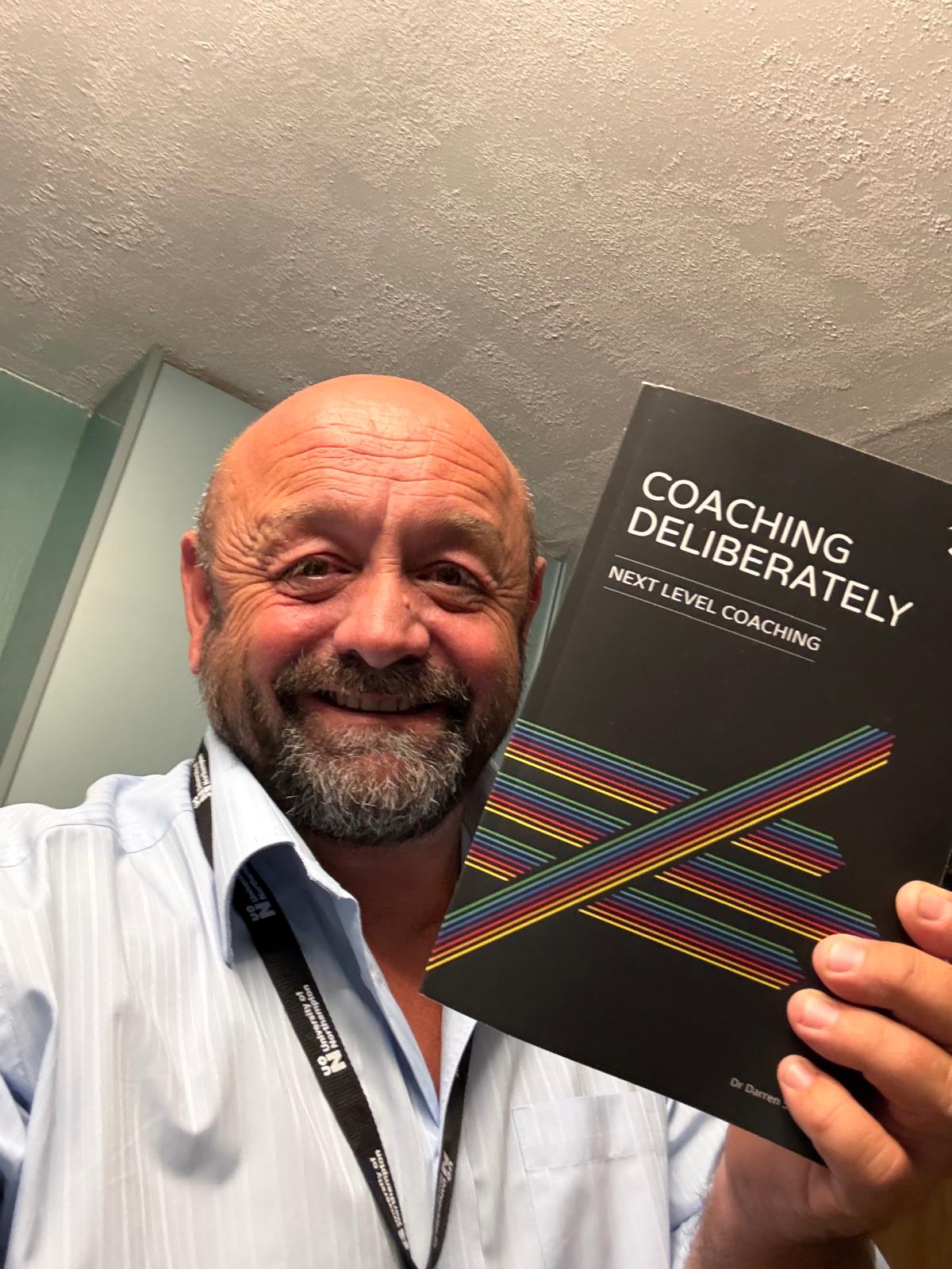
Coaching Deliberately is my next read, following on from Thinking Deliberately. Having enjoyed the disruption to some of my existing thinking, I’m looking forward to seeing what this one reveals about how I understand my approach to development and coaching potentials.
Darren - Northampton
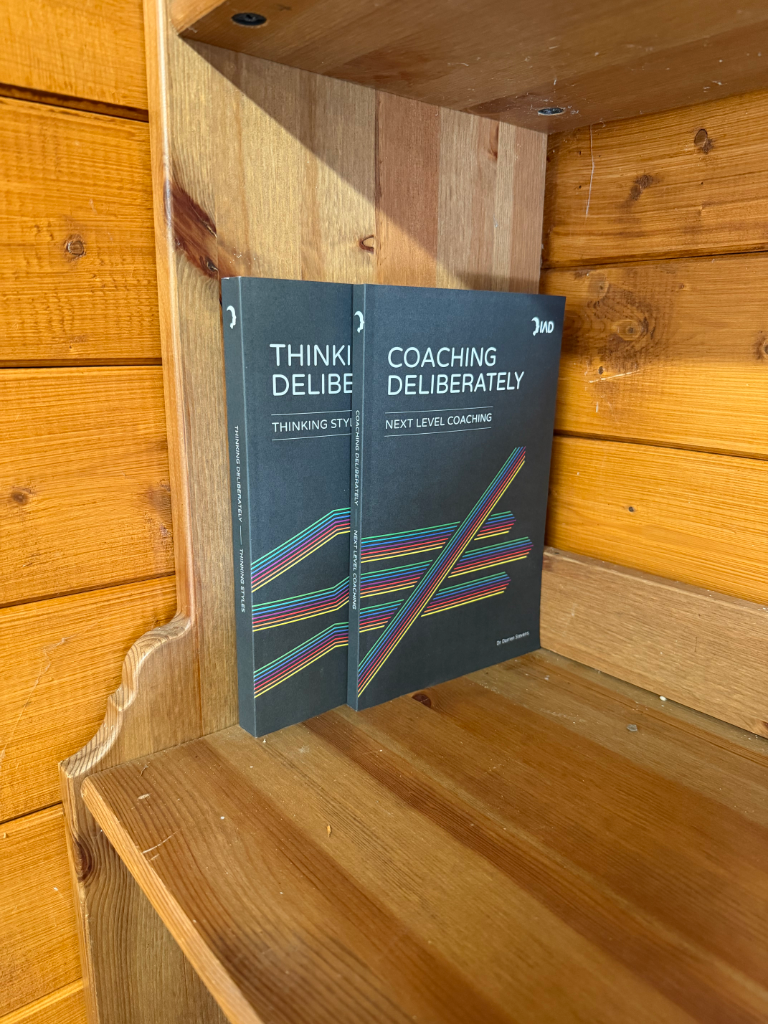
Two out of 6 ain't bad, as Meatloaf once sang.
John - South London
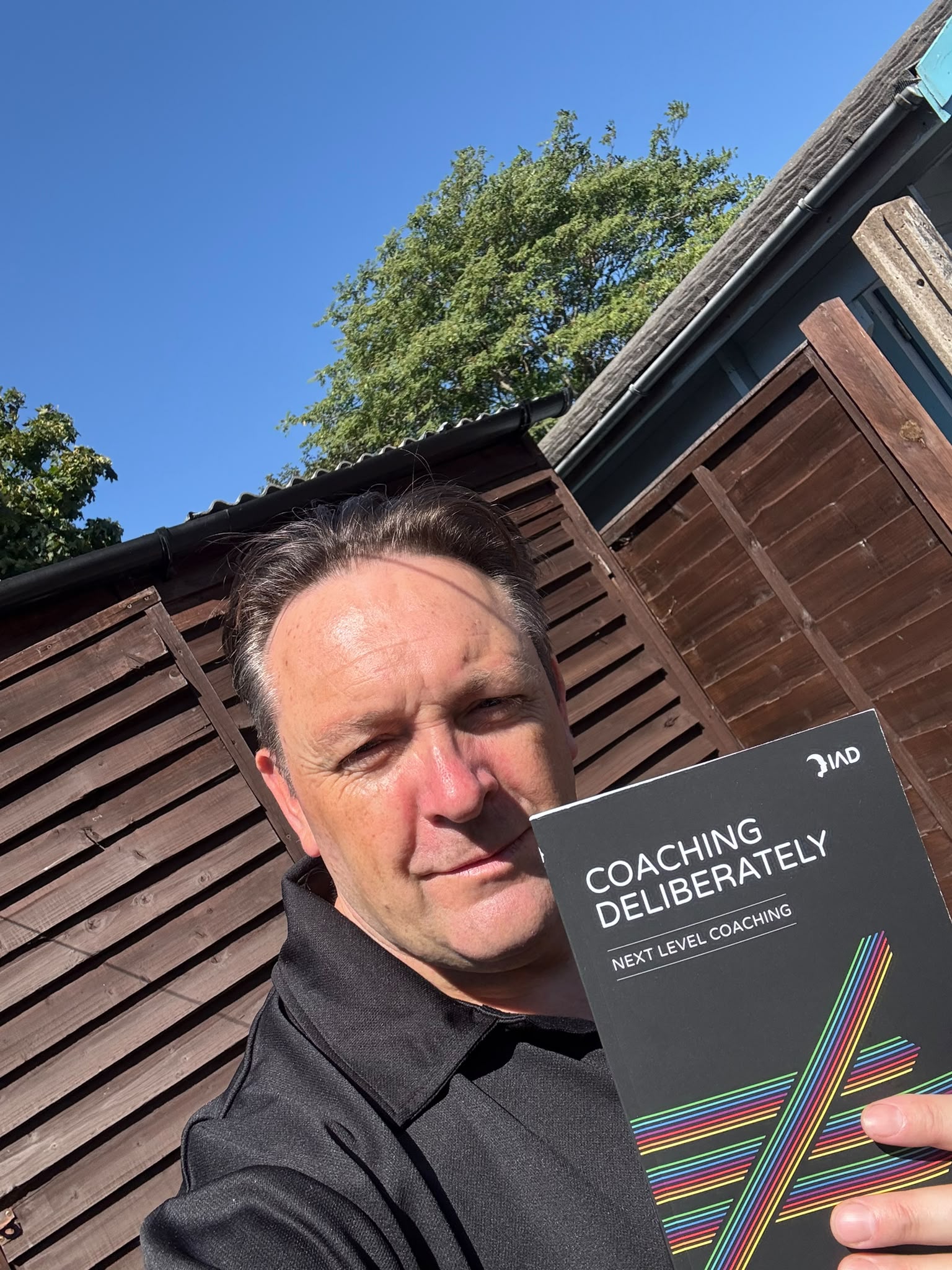
I’m excited to read Dr Darren Stevens’ next book on ‘coaching deliberately’, which supports his work in CDT, adult development and NLC. His first book was a challenging read, but it helped me understand why it is both useful and important for the NLP coach, practitioner, trainer and master practitioner to learn his theory, in order to better coach clients at a high level. His theory also offers a way to grow vertically in your thinking too.
As you progress through the series, it becomes apparent what unites the books.
The highest level of everything we can think of is to be deliberate.
• Thinking → self
• Coaching → others
• Leading → systems
• Speaking → in-the-moment awareness
• Being → collapse of all distinction
Teaching is the bridge between scale (leadership) and continuity (being)
You begin by understanding your thinking… You end by realising there was never a separation between you and it.